
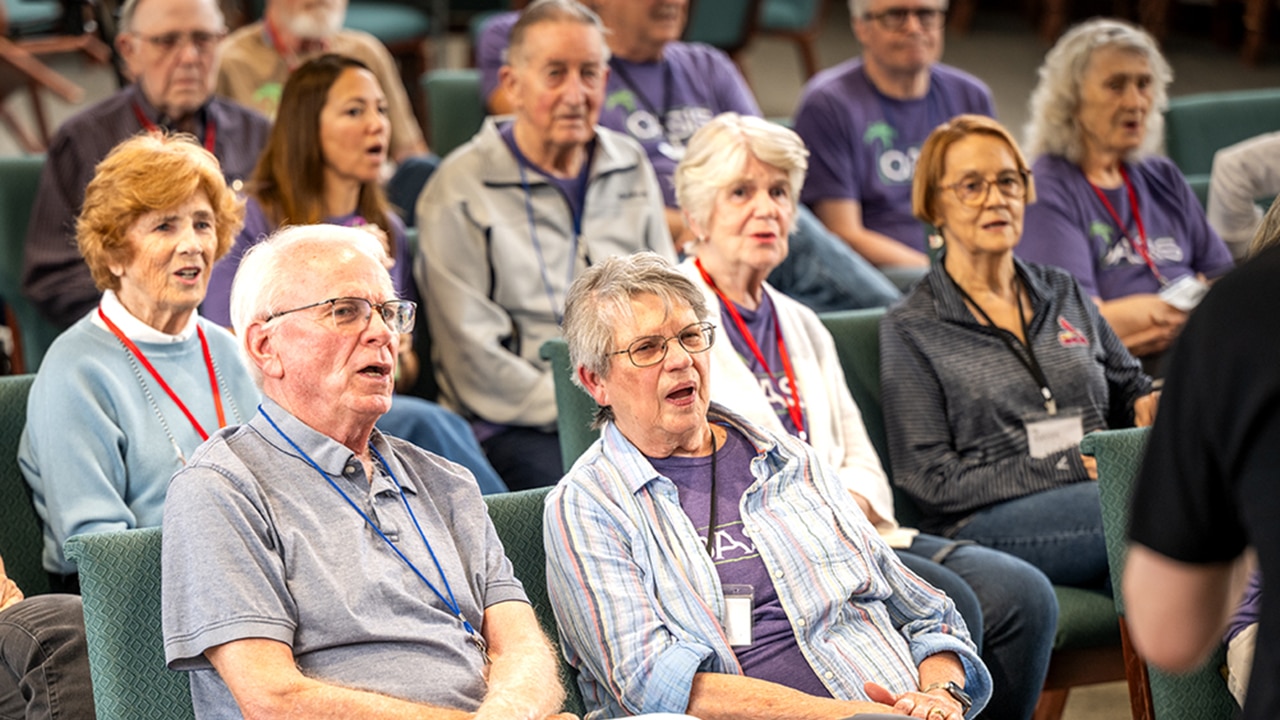
Music is woven into the fabric of our everyday lives. Whether it’s lifting our spirits, pushing us to run faster or soothing us to sleep, we can all recognise its power. So it’s no wonder it is increasingly being used in medical treatment. As well as proving very useful in cancer treatment, managing chronic pain and even helping the brain recover after a stroke, researchers have also been making great strides in using music to help people living with dementia.It reduces a person’s anxiety and depression, and improves wellbeing both for them and their caregivers by enhancing everyone’s ability to adapt and cope with adversity or stress. Music therapy in the form of playing, singing or listening to music can also have a positive effect on cognitive function – particularly for older adults either with dementia or memory issues. So why does music appear to have such a powerful effect for people with dementia?
Music and the Brain
About a decade ago, researchers discovered that when people listened to music, multiple areas of the brain were involved in processing it. These included the limbic (which processes emotions and memory), cognitive (involved with perception, learning and reaction) and motor areas (responsible for voluntary movement). This challenged preconceptions that music was processed more narrowly in the brain – and helped explain why it has such a unique neurological impact.
Not only that, research has shown that music might help regenerate the brain and its connections. Many causes of dementia center around cell death in the brain, raising the possibility that music could help people with dementia by mending or strengthening damaged neural connections and cells.
Favorite Music
It’s not just any music that has a regenerative effect on the brain, though. Familiar and favourite music has been shown to have the biggest impact on the way we feel, and is closely linked with memory and emotions. This is because listening to our favorite songs releases feel-good hormones that give us a sense of pleasure. Curated music playlists of favorite music could be the key in helping us deal with the stress of everyday life.
This is relevant to Alzheimer’s and other forms of dementia because researchers have discovered that parts of the brain linked with musical memories are less affected by these conditions than other areas of the brain. This explains why memories and experiences that are linked to favorite music are often preserved for people with such conditions.
Calming Effects of Music
Listening to music can also help manage their experiences of distress, agitation and “sundowning” – where a person is more confused in the afternoon and evening.
In a small study conducted by us and our colleagues at the Cambridge Institute for Music Therapy Research, we showed just how great of an effect listening to music can have for people with dementia. We found that when people with dementia repeatedly listened to their favorite music, their heart rate and movements changed in direct response.
This showed that people’s physical responses were affected by musical features like rhythm and arrangement. Their heart rate also changed when they sang along to music, or when they began reminiscing about old memories or stories while listening to a song or thinking about the music. These changes are important because they show how music affects movement, emotions and memory recall.
Studies have also shown that during and after listening to music, people with dementia experienced less agitation, aggression and anxiety, and their general mood was improved. They even needed less medication when they had regular music sessions.
More Research About Music and Dementia
Other researchers have even begun testing the effects of music training programs to support cognition for people with dementia. Results have been promising so far – with adults in the study showing improved executive functioning (problem solving, emotion regulation and attention) compared to those who took part in just physical exercise.
So, music is likely to continue to be a useful medical treatment for people with dementia. But based on what we know so far, it’s important that it comes from the patient’s own music collection – and is used alongside other management techniques that can slow the progression of dementia or help manage symptoms to support self-care and wellbeing.

This article is republished from The Conversation under a Creative Commons license. Read the original article.
Rebecca Atkinson, Researcher in Music Therapy, Anglia Ruskin University and Ming-Hung Hsu, Senior Research Fellow, Music Therapy, Anglia Ruskin University