
About the Haq Family Foundation
The Haq Family Foundation was established at the behest of Karen Haq. For years, Karen was a caregiver for both of her parents. In 2018, Karen herself was diagnosed with colon cancer, and she died just months later.
In her final days, Karen talked to six close friends about using her inheritance to create a foundation bearing her family name. Today, these friends serve as the board of directors for the Haq Family Foundation. As Karen wished, the foundation supports three primary causes: animal welfare, to honor her mother’s love of animals; engineering scholarships, recognizing her father and his career; and respite care for family caregivers, an interest Karen developed after her own experiences as a caregiver.
Thanks to a generous grant from the Haq Family Foundation, Songs & Smiles is giving helpful books to family caregivers at no charge. These resources will provide hope, encouragement, and comfort to many caregivers.
Available Books:
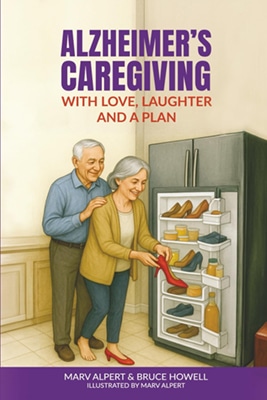 Alzheimer’s Caregiving With Love Laughter and A Plan: Finding Love, Laughter and Coping Strategies by Marv Alpert and Bruce Howell — Caring for a spouse with Alzheimer’s? It’s overwhelming – but you don’t have to do it alone. This warm, honest caregiver’s guide offers real answers – and just enough humor to help you stay grounded through the hardest days. Written by two husbands who cared for their wives through Alzheimer’s, this isn’t a clinical handbook. It’s a survival guide, filled with practical advice, heartfelt stories, and support from people who truly get it.
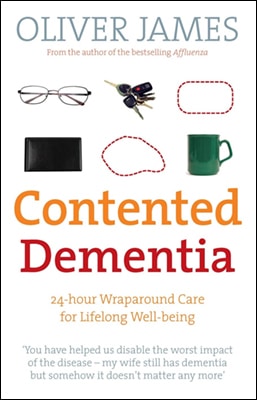 Contented Dementia
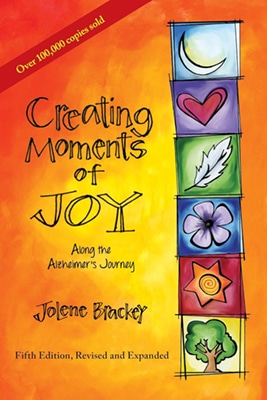 Creating Moments of Joy by Jolene Brackey
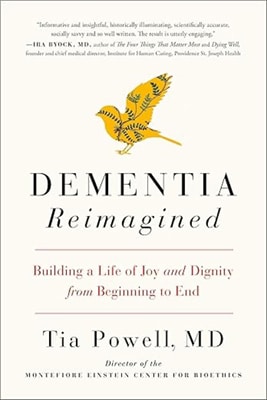 Dementia Reimagined: Building a Life of Joy and Dignity from Beginning to End
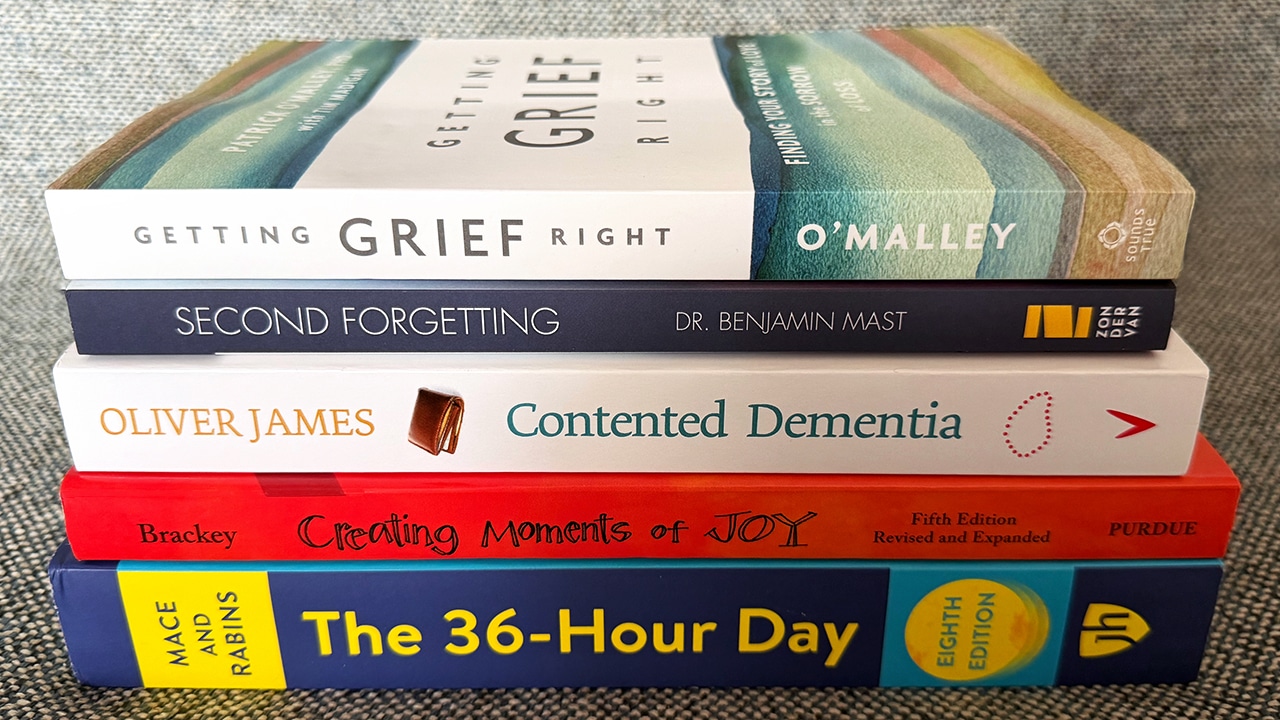
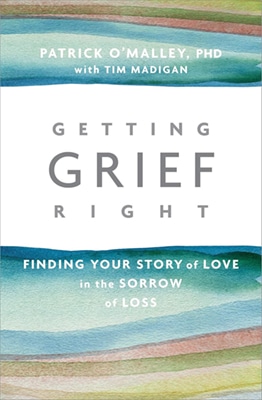 Getting Grief Right: Finding Your Story of Love in the Sorrow of Loss by Patrick O’Malley, Ph.D. — For those in bereavement and anyone supporting those who are, this book offers an empathetic guide to opening to our sorrow as the full expression of our love. Illuminated by O’Malley’s own story and those of many clients he’s supported, readers learn how the familiar “stages of grief” too often mislabel our sorrow as a disorder, press us to “get over it,” and amplify our suffering with shame and guilt when we do not achieve “closure.” With uncommon sensitivity, he invites us to explore grief as the ongoing narrative of our relationship with the one we’ve lost.
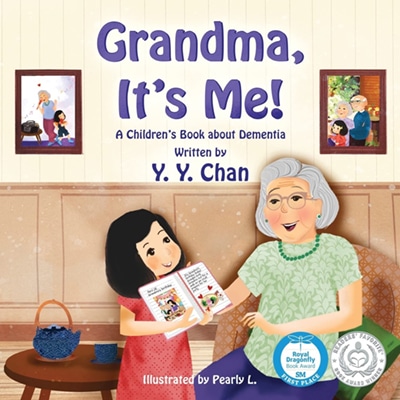 Grandma, It’s Me! by Y.Y. Chan — This uplifting and touching story encourages young readers to support and care for the elderly with love, patience and understanding. Written as a series of diary entries, the book also encourages journaling as a way to process emotions and feelings in order to become resilient to face life’s many challenges. This book is a compassionate way to teach young readers about memory loss and how they can help. Note: This book uses British spelling.
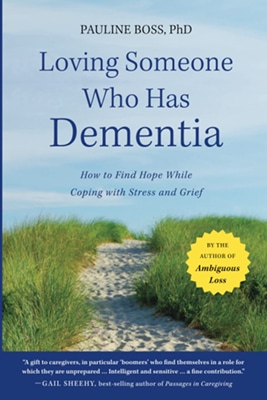 Loving Someone Who Has Dementia: How to Find Hope While Coping with Stress and Grief
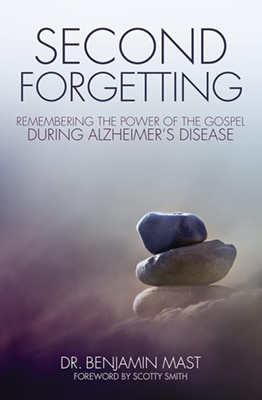 Second Forgetting: Remembering the Power of the Gospel During Alzheimer’s Disease by Dr. Benjamin Mast — Dementia is challenging for the one living with it and for those close to them. How do relationships with those we love change with loss of memory? What happens to our relationship with God? Dr. Mast helps us understand the disease, how to provide love and care, and how to see the hope that though we may forget, God always remembers.
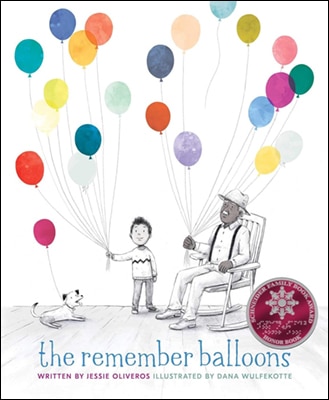 The Remember Balloons by Jessie Oliveros, illustrated by Dana Wulfekotte — A 2019 Schneider Family Award Honor Book. What’s Happening to Grandpa meets Up in this tender, sensitive picture book that gently explains the memory loss associated with aging and diseases such as Alzheimer’s. James’s Grandpa has the best balloons because he has the best memories. But when Grandpa’s balloons begin to float away, James is heartbroken. Eventually, Grandpa no longer has balloons of his own. But James has many more than before. It’s up to him to share those balloons, one by one.
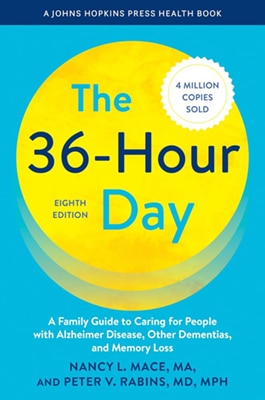 The 36-Hour Day A Family Guide to Caring for People Who Have Alzheimer Disease and Other Dementias by Nancy L. Mace and Peter V. Rabins — For 40 years, The 36-Hour Day has been the leading work on the care of people living with dementia. The book’s authoritative and compassionate approach to care features discussions of the causes of dementia and the management of its symptoms from the early to late stages. The 8th edition focuses on improving the lives of those with dementia and memory loss, as well as the lives of those who love and care for them.